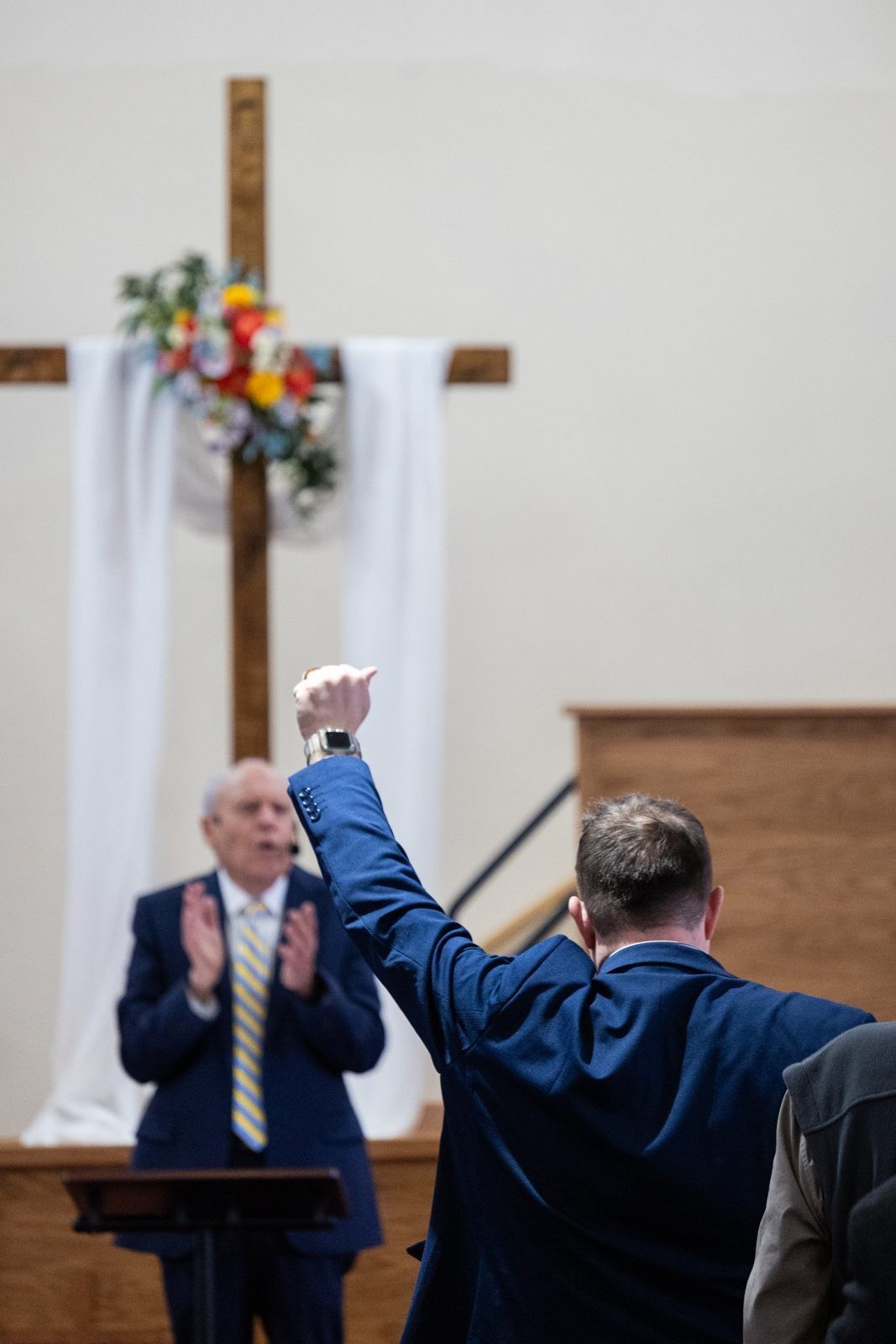
In the sanctuaryAccess should feel like it belongs in the room.
Built for multilingual services, volunteer teams, and people who need real access without extra friction.
GraceCaption helps churches share spoken words in real time across phones, languages, and seating situations without turning worship into a tech demo. It gives volunteers a calmer operating flow and gives attendees a cleaner, more respectful way to follow along.
One capture lane. Separate viewer devices. English first. Translation available when it helps.
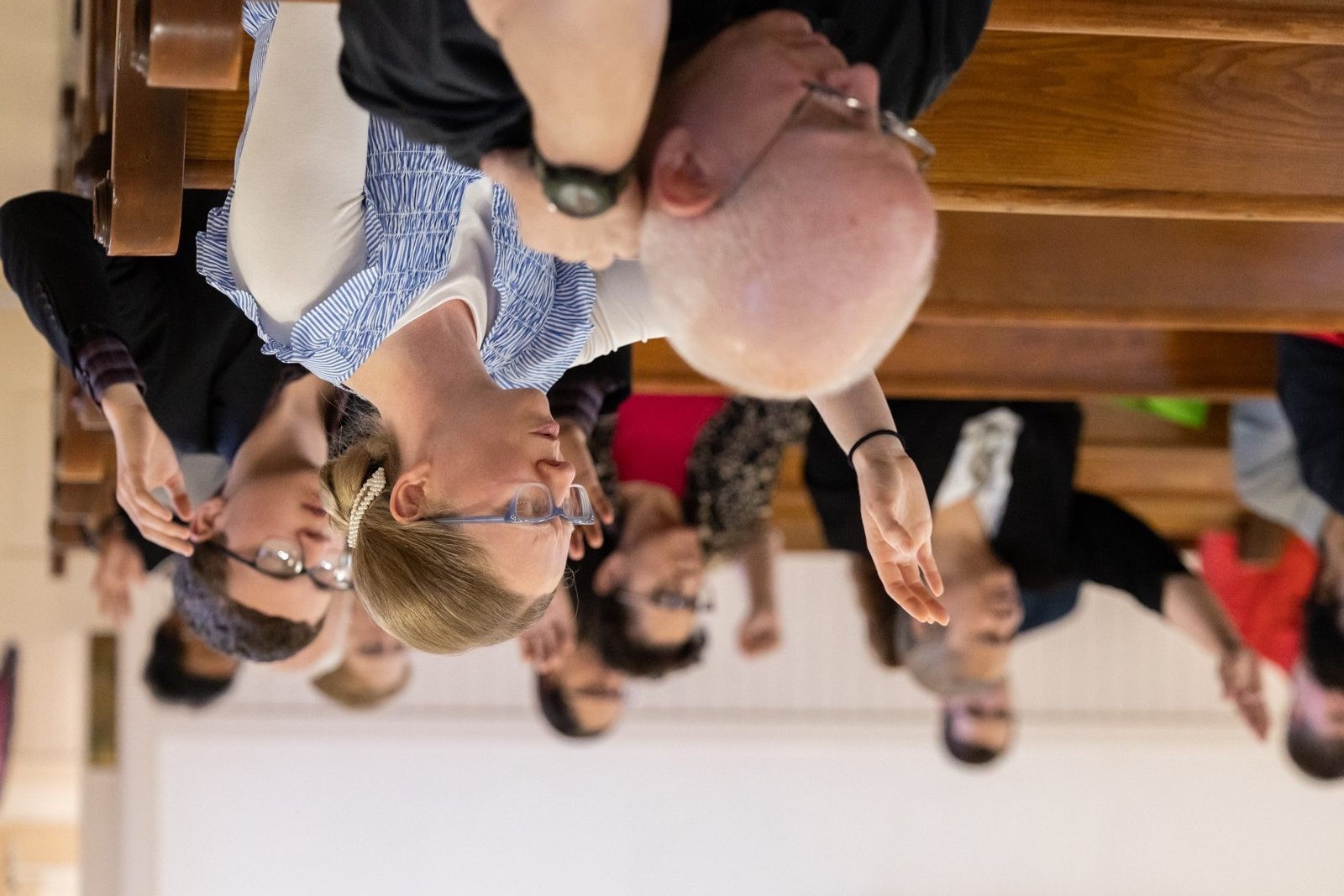
Keep the mic path stable and let the operator role stay focused.
Private viewing and earbuds belong on the viewer side, not the capture side.
Translated text can extend the room without putting the primary feed at risk.
GraceCaption is not selling a dashboard first. It is solving a room problem first: making spoken words more reachable without making the church experience feel clinical or awkward.
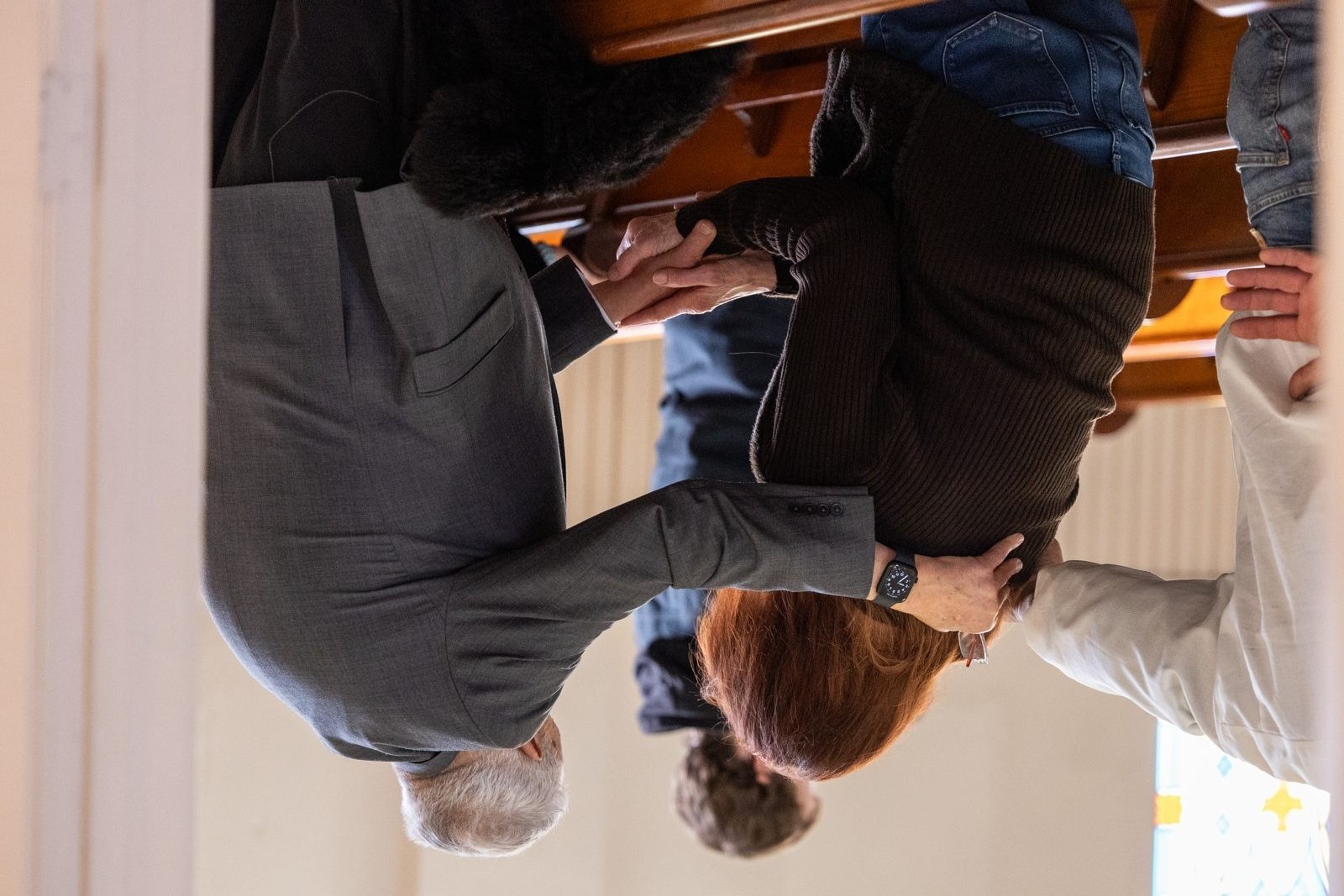
Product posture
The best version of this product does not scream "AI." It feels intentional, grounded, and clearly built around real churches and real services.
The interface stays quiet so the sermon, testimony, or prayer stays central while access still feels immediate and dignified.
A church can run the full flow with a simple event board, one capture device, and direct viewer links people can actually use.
The primary caption feed remains dependable while translated text extends the room without pretending latency does not exist.
Who it serves
The visual system now carries warmth, people, and place so the product feels anchored in ministry instead of floating in generic SaaS space.
Readable captions on personal devices without asking them to sit in one special section or guess what was said.
Direct language links make it easier to follow along without forcing everyone into a one-size-fits-all experience.
The same event can keep the spoken word clear even when people are not sitting in the ideal spot.
How it flows
The shell now reads like a credible event-day rhythm instead of a generic feature checklist.
Choose the event, stage the languages, and share the right viewer link before volunteers are trying to solve problems in the aisle.
Device A captures the room. Device B and attendee phones view the feed. That separation is what keeps the experience stable.
Caption segments and transcript-ready output stay useful for archives, follow-up, and replay after the room goes quiet.
See the working product